


Introduction: The Duty-Free Illusion
That confident stride we all take into a duty-free store — luggage in one hand, boarding pass in the other — feels like the start of a smart shopping spree. The glowing shelves, the perfume counters, the endless bottles of whisky all scream “tax-free savings!” But are we really getting a deal?
Duty-free shopping sounds straightforward: no taxes, so it must be cheaper. Yet, it’s not that simple. Prices vary by airport, country, and even product type. Between fluctuating exchange rates, marketing tricks, and brand mark-ups, that supposed bargain can quickly vanish.
Here’s the reality behind duty-free shopping — when it’s genuinely worth it, and when you’re better off waiting until you land.
1. Duty-Free Is Not Always Tax-Free
The name “duty-free” suggests total exemption from taxes, but the truth is more nuanced. You skip local import or sales taxes in the departure country — but retailers can still set their own base prices.
So, even though you’re not paying taxes, the final price can include mark-ups that cancel out your savings.
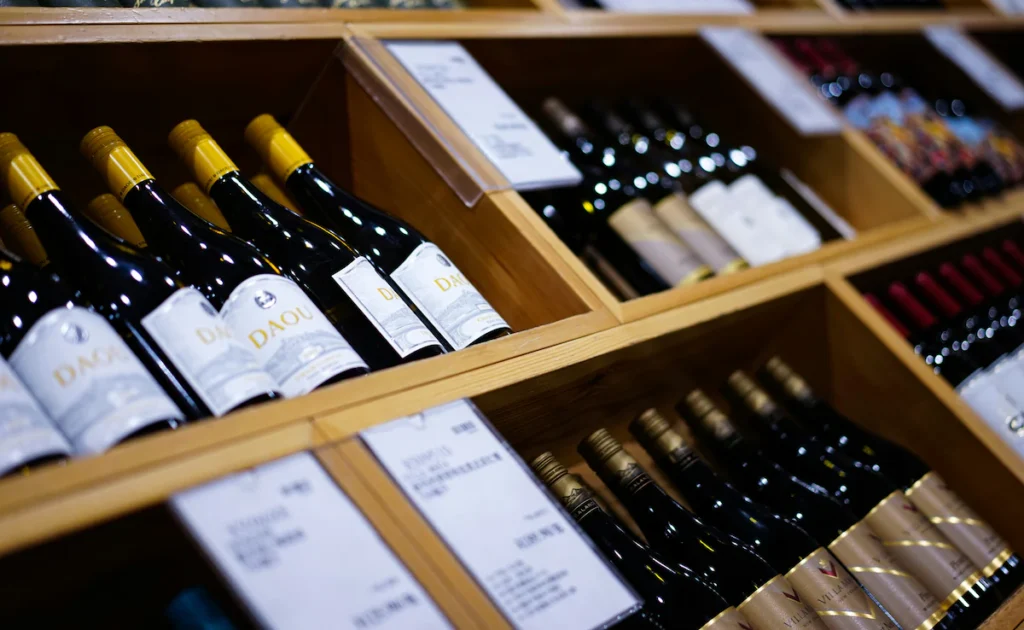
Currency conversions and regional costs also play a big role. A bottle that looks cheaper in Dubai might cost the same — or even more — once you convert to INR and add your card’s international fees.
Takeaway: Duty-free isn’t automatically cheaper; it depends on where and what you buy.
2. Duty-Free Prices Vary by Airport
Every airport has its own pricing structure. Rent, staff wages, and import duties differ — and those costs trickle down to customers.
For instance, whisky might be cheaper at Delhi Duty Free than at Singapore Changi, where operating costs are higher. Even perfumes can have different prices across airports for the same brand.
Before assuming you’ve scored a global deal, remember: duty-free is local.
Pro Tip: Compare prices online before your flight using sites like DelhiDutyFree.co.in or globaldutyfree.com to know what’s fair.
3. Some Products Offer More Savings Than Others

Not all items are equal in the duty-free world. Certain categories genuinely offer savings, while others barely make a difference.
Worth Buying:
- Alcohol – High domestic taxes mean noticeable savings.
- Tobacco – Similar to alcohol, large tax margins help you save.
- Perfumes & Cosmetics – Discounts are real in countries with heavy beauty taxes.
Skip These:
- Electronics – Warranty issues and minimal discounts.
- Luxury handbags & fashion – Often priced higher than retail.
- Regular chocolates & snacks – Usually cheaper at local supermarkets.
Smart Shopper Tip: Always Google the Indian retail price before buying. You might find that “exclusive airport deal” cheaper online.
4. Currency Conversion Can Kill the Deal
That foreign price tag might look tempting — until you see your bank statement.
Most cards charge 2–3% foreign transaction fees, and airport exchange counters often have inflated rates. So your £60 perfume might cost you ₹6,300 after conversion — close to or higher than its price in India.
If you travel frequently, use a multi-currency forex card or check live conversion rates on apps like XE or Wise before you buy.
5. Travel Editions Aren’t Always Better Deals
Duty-free stores excel at marketing. They create “travel-exclusive” editions — larger bottles, bundled sets, or special packaging — that seem like better value. But often, these versions are priced higher than standard products back home.
Ask yourself: Are you paying for the product or the packaging?
Unless you truly want the limited edition, skip it and buy the regular size in a city store or online sale.
Duty-Free Allowances for Indian Travellers
Your savings can vanish quickly if you cross customs limits. Here’s what Indian travellers are allowed to bring back duty-free:
For Most International Routes (excluding Nepal, Bhutan & Myanmar):
- Goods worth up to ₹50,000.
- 2 litres of alcohol.
- 100 cigarettes or 25 cigars or 125g of tobacco.
For Travellers from Nepal, Bhutan & Myanmar:
- Goods worth up to ₹15,000.
Anything above these limits attracts customs duty, so it’s smart to track your purchases before heading home.
What’s Actually Worth Buying Duty-Free
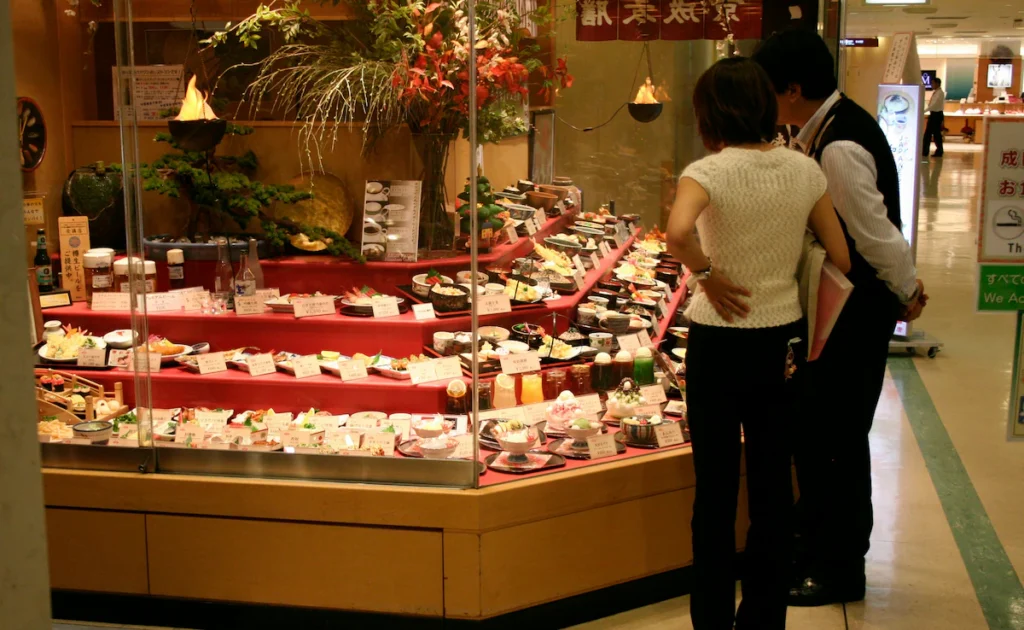
While the appeal of those shiny shelves is strong, not everything deserves your money. Here’s what often gives genuine value:
| Category | Worth It? | Why |
|---|---|---|
| Alcohol | ✅ | High local taxes make duty-free cheaper |
| Tobacco | ✅ | Strong savings, but check import limits |
| Perfumes & Cosmetics | ✅ | Tax benefits and variety |
| Luxury Watches & Jewellery | ⚖️ | Sometimes cheaper in low-VAT airports |
| Chocolates & Gifts | ⚠️ | Varies by brand and location |
| Electronics | ❌ | Minimal savings, warranty issues |
Tips for Smarter Duty-Free Shopping
- Compare prices online or via official airport store websites.
- Know your card fees and exchange rates.
- Focus on high-tax products like liquor, tobacco, and perfumes.
- Avoid travel-only bundles unless the deal is genuine.
- Stay within customs limits to avoid duty fines.
- Keep receipts for customs checks.
The Verdict: When Duty-Free Shopping Makes Sense
Duty-free shopping is not a scam — but it’s not always the bargain it claims to be. The real savings depend on where you buy, what you buy, and how you pay.
If you’re after alcohol, perfumes, or tobacco, the discounts can be genuine. But for electronics, fashion, or random souvenirs, you’re usually better off shopping locally.
So next time that glowing duty-free sign tempts you, take a breath, check your prices, and make a smarter choice. Sometimes, the best deal at duty-free is walking out empty-handed.
Ready to explore more smart travel advice? Read more travel hacks, money-saving tips, and destination guides on VurayTravels.com.
