

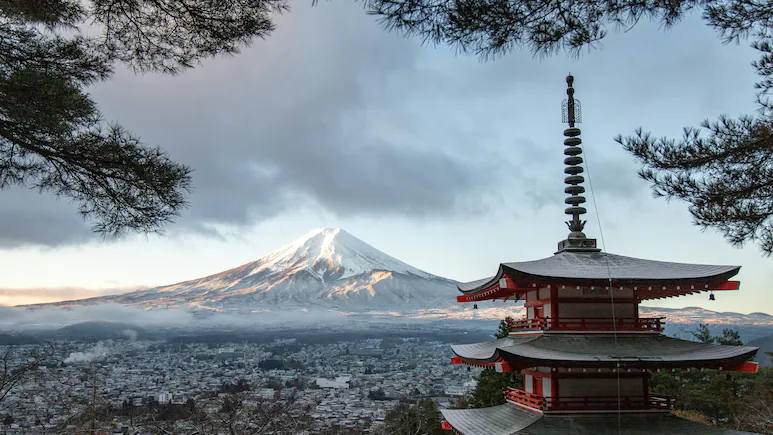
Japan is famously polite, spotless, and orderly — a place where little gestures matter. For first-time visitors this calm can feel like a set of unwritten rules. Most locals are warm and forgiving, but a handful of common slip-ups repeatedly turn polite curiosity into awkward moments.
This guide expands the “top 5” list into something you can actually use on the street: the why behind these customs, clear instructions on what to do instead, friendly phrases to keep in your pocket, and the “what if I already made the mistake?” fixes that save face. Read this before you board the plane and you’ll arrive confident, curious, and a little less likely to stumble.
Lengthy? Yes. Useful? Absolutely. Consider this your crash course in being a considerate guest in Japan.
Quick summary — the five mistakes (short version)
- Wearing shoes indoors (homes, some ryokan, temples) — remove footwear and follow slipper rules.
- Being loud or making calls on public transport — trains are quiet zones; use “manner mode” and step off to take calls.
- Tipping when it’s not expected — tipping can confuse or offend; service is part of the job and often included.
- Cutting queues or ignoring orderly lines — wait your turn; Japanese queues are an unspoken social contract.
- Littering or not sorting your trash — public bins are rare; carry your trash and follow local sorting rules.
Below: expanded explanations, examples, language shortcuts, regional variations, and a big “if-I-screwed-up” section.
Mistake 1 — Wearing Shoes Indoors (and other “entering” mistakes)
Why it matters
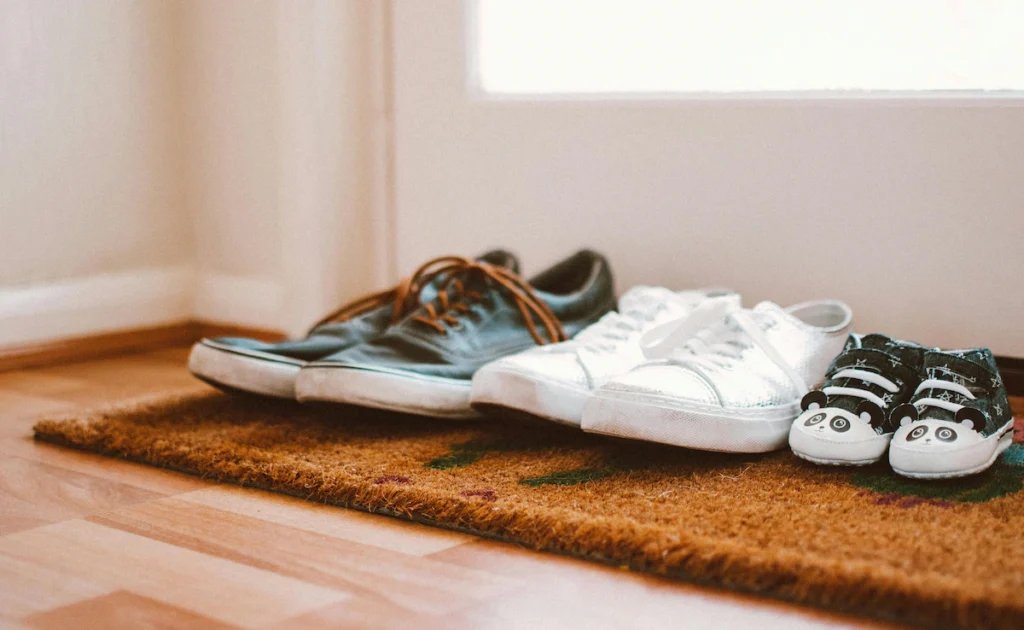
Shoes aren’t just dirty — in Japan they symbolically separate the outside world from private, clean spaces inside. Tatami (straw) mats are delicate; shoes wear patterns on floors and bring grit into places designed for sitting, sleeping, and close-to-floor living. The genkan (entryway) is a ritual space: step up, remove shoes, swap for slippers if provided, and step inside. It’s polite, practical, and expected.
Where you’ll be asked to remove shoes
- Private homes
- Some ryokan (traditional inns) and minshuku (family guesthouses)
- Temples and some shrine buildings
- Certain small restaurants or tea houses
- School gymnasiums and some clinics
How to do it — the simple choreography
- Approach the genkan (a lowered step/area).
- Untie or slip off your shoes and place them neatly facing outward.
- Step up into the indoor space wearing socks or provided slippers.
- If there are tatami mats, do not wear slippers on them — step in sock- or bare-footed.
- Reverse the process when leaving: step down, put on shoes, tie them before walking away. For kids, explain it as “no shoes in the house” or the “floor is special.”
What to do if you forget
Apologize with a short “sumimasen” (すみません) and quietly correct it. Most hosts are forgiving; a quick, humble “gomennasai” (ごめんなさい) if you tracked dirt in goes a long way.
Short phrases to remember
- “Sumimasen — koko de kutsu o nugu nodesu ka?” (Excuse me — should I take off my shoes here?)
- “Arigatou” after being shown slippers.
Mistake 2 — Phone & volume sins on trains and public spaces
Why it matters
Japan values public quiet. Trains, buses, and many indoor public areas have a social contract: people read, nap, and use screens silently. Taking loud calls, playing videos at full volume, or laughing loudly breaks that contract and draws eyes. The culture is not about being unfriendly — it’s about preserving calm for everyone.
Rules of the carriage
- Put phones on silent / manner mode.
- Avoid phone conversations on trains and buses — step off at the next station if you must talk.
- Low-volume music with headphones is ok, but keep the level down.
- Avoid eating messy foods on commuter trains during peak hours — on long-distance trains and Shinkansen, eating boxed meals (ekiben) is acceptable.
How to act instead
- Text, message, or use headphones for videos.
- If you must video-call, move to a café or step outside the station.
- If someone is loud, don’t confront them — it’s usually a short-lived situation. Keep your eyes down and move if it bothers you.
What to say
- “Sumimasen, chotto denwa shimasu. Eki de demasu.” (Excuse me, I’ll take a call at the station.) — short and polite.
Mistake 3 — Tipping (or trying to be ‘nice’ the wrong way)
Why tipping is tricky in Japan
Tipping is not part of mainstream Japanese hospitality. High-quality service is considered a professional duty, and offering extra money can be interpreted as implying the staff aren’t paid properly or as an awkward bribe. Historically, generous gestures were made privately (envelopes, called kokorozuke) or through reciprocal favors rather than casual tips left on tables. Today, tipping remains uncommon and sometimes confusing for staff. Official national travel guidance recommends not tipping in regular situations.
Exceptions & nuances
- Some high-end ryokan or private guides may accept a small carefully wrapped gift or an envelope — but it’s best to ask reception what the local practice is.
- Post-pandemic, some tourist-oriented places have begun offering optional gratuity boxes, but this is still new and not universal. If in doubt, don’t tip — leave a heartfelt “arigatou gozaimasu” instead.
What to do instead of tipping
- Verbally thank staff: “Arigatou gozaimashita” (ありがとうございました — for past services).
- Leave a short note if you really want to show gratitude.
- Buy locally: a small souvenir, extra souvenir purchase, or postcard supports local staff in a culturally appropriate way.
How to respond if someone insists on taking a tip
If you’re in a foreigner-heavy establishment that allows tips and someone accepts one, that’s fine. But if a polite Japanese person tries to return the tip, accept their cultural preference — don’t insist. A simple smile and “arigatou” will do.
Mistake 4 — Cutting queues, barging or “I’ll just pop in here”
Why queuing is sacred
Orderly lines in Japan are a visible social norm: they keep transport moving, reduce friction, and show respect. Train platforms have clearly marked boarding areas; buses often form neat lines. Cutting in front of someone is one of the quickest ways to draw disapproving stares. This isn’t about coldness — it preserves fairness and efficiency.
How to behave in common situations
- Train platforms: stand behind the line markings and let departing passengers exit first.
- Bus stops: join the back; do not hold places for friends unless they’re visible and nearby.
- Elevators and ticket lines: wait your turn and step forward only when the person in front moves.
- Theme parks and attractions: observe how locals queue and mirror it.
What to say if you accidentally cut
Say “Sumimasen” and step back. Most people appreciate a clear apology.
Mistake 5 — Littering & not handling garbage properly
Why this is a big deal
Japan is clean because people take responsibility for their trash and local municipalities have specific sorting rules. Public trash cans are surprisingly scarce — a result of past incidents and an emphasis on carrying your own waste until you reach the right bin. Learn the garbage rules for the area you’re in or keep a small bag for wrappers until you find a place to dispose properly.
Common sorting categories (may vary by ward/city)
- Burnable (combustibles)
- Non-burnable (metals, ceramics)
- Plastic bottles (PET) — usually rinsed and caps separated
- Cans and bottles — often separated for recycling
- Large/bulky items follow scheduled pickup
Practical tips
- Carry a small zip bag for wrappers and tissues.
- Rinse drink bottles and crush where appropriate — many vending machines accept empty PET bottles in recycling slots.
- If you’re staying in a guesthouse, follow their trash guidance; ask staff if you’re unsure.
What to do if you can’t find a bin
Keep it until you reach your accommodation, a convenience store (some have recycling for bottles and cans), or a train station with labeled bins.
Beyond the five — other easy mistakes to avoid
These are smaller but common problems that can derail a pleasant experience.
Temple & shrine etiquette
- Remove hats and sunglasses in some temple halls.
- At shrines, use the temizuya (water basin) to purify your hands and mouth before visiting. Bow lightly at the approach and avoid loud behavior. Do not enter areas clearly marked as off-limits.
Chopstick manners
- Don’t stick chopsticks vertically into rice — this mirrors funeral rites.
- Don’t pass food chopstick-to-chopstick — this also evokes funeral customs.
- Use the opposite ends of serving chopsticks if available.
Photography boundaries
- Many temples, museums, and private properties prohibit flash or photography. Look for signs; when in doubt, ask. Avoid photographing people without permission, especially in rural settings.
Onsen (hot spring) rules
- Wash thoroughly before entering.
- No swimsuits unless onsen rules allow it.
- Tattoos can be sensitive — in many places they’re associated with yakuza culture; small tattoos may be covered with a sticker or cloth at some baths, but research ahead and look for tattoo-friendly onsen if needed.
Money & payment etiquette
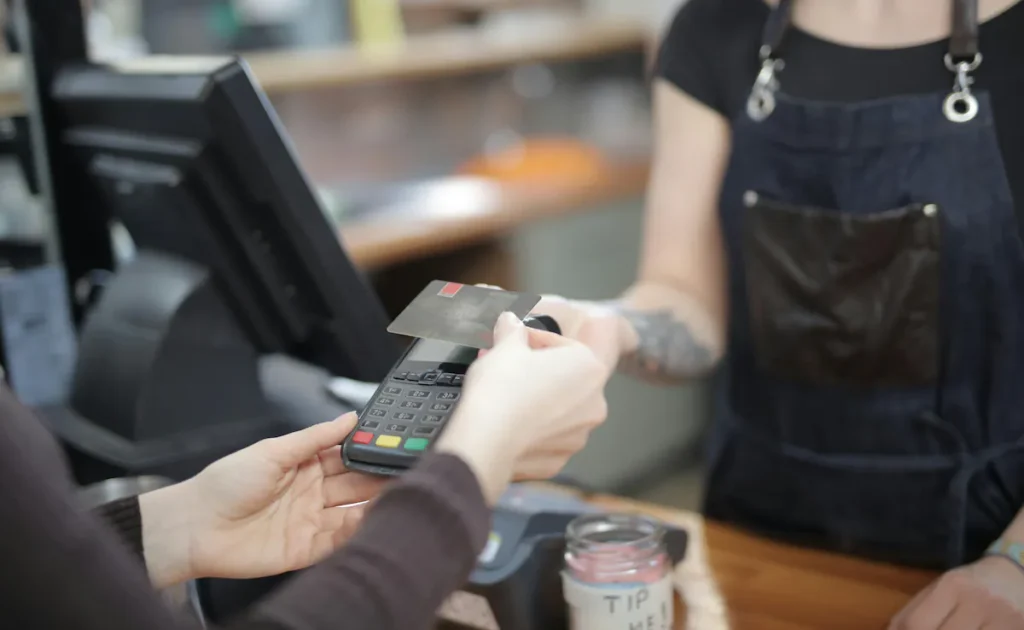
- Hand money or credit cards on the small tray provided at counters instead of thrusting bills directly across. This is polite and standard practice in many shops.
If you make a mistake — polite fixes that save face
Everyone slips up once. What matters is how you handle it.
- Apologize quickly and sincerely — “Sumimasen” or “Gomennasai” is perfectly acceptable and appreciated.
- Fix what you can — pick up litter, quietly step outside to take a call, remove shoes if you forgot and were allowed to do so.
- Ask for help — staff and locals are often happy to explain customs if you approach respectfully. Use “sumimasen, nihongo ga amari hanasemasen” (Excuse me, I don’t speak much Japanese) and point to the situation.
- Learn and move on — Japanese culture tends to favor a short apology and then normal interaction; dwell on it and you’ll feel worse than anyone else does.
Little language toolkit — phrases that help
- Sumimasen (すみません) — Excuse me / Sorry / Thank you (versatile!)
- Arigatou gozaimasu (ありがとうございます) — Thank you (polite)
- Gomennasai (ごめんなさい) — I’m sorry (stronger apology)
- Koko de kutsu o nugimasu ka? — Should I take off my shoes here?
- Denwa shite mo ii desu ka? — Is it OK to make a phone call?
- Eki no gomibako wa doko desu ka? — Where is the station trash bin?
- Onsen no koto ni tsuite oshiete kudasai — Please tell me about the onsen rules.
Keep these written on a small card or as quick notes on your phone.
Packing checklist — little things that prevent awkward moments
- Socks without holes — for genkan and onsen areas (you might go without slippers sometimes).
- A small garbage bag — for wrappers, tissues, and sticky trash until you find a bin.
- Wet wipes / hand sanitizer — for quick cleanup (but don’t leave wipes in public areas).
- A small towel — useful for onsen towns (some ryokan provide these) and temple visits.
- A compact pair of slip-on shoes — for easy on/off in genkan.
- Plastic zip bag for wet swimwear if you visit onsen or beaches.
Regional variations & modern shifts — what’s changing in 2026
Japan is adapting to tourism pressures and global habits — but cultural foundations remain strong.
- Tipping debate: some tourist-centric restaurants and businesses have trialed tip boxes or voluntary gratuities. This is localized and sometimes controversial; rely on local guidance or the establishment’s signage. For most everyday transactions, tipping remains unnecessary.
- Trash infrastructure: major events and stations have improved recycling and bins, but many neighborhoods still prefer “carry your trash.” Plan for pockets of scarcity.
- Phone manners: younger Japanese and internationalized scenes are more relaxed, but core norms still favor quiet in public transport. Follow local cues and announcements.
Scenarios — what to do in real-life examples
You left your shoes on in a ryokan
Quietly remove them, apologize with “sumimasen,” and follow the staff’s lead. Consider offering a small gesture of thanks like buying a meal or gift in the ryokan shop if you feel extra grateful.
You received a tip back from a server
They may be returning money out of cultural discomfort. Smile and say “Arigatou” — no drama. If it’s a tourist-heavy spot and the staff accepts it, that’s fine too.
You’re on a crowded train and a child spills juice
Clean it up if you can help; otherwise, alert a nearby staff member. People won’t shout; they’ll quietly assist.
You can’t find a trash can
Tuck your wrapper into your bag temporarily and look for recycling slots at a convenience store or station. Don’t leave trash on streets or in public places.
Why these small gestures matter more than you might think
Visiting another country is an exchange — you bring curiosity and they give you hospitality. In Japan, many customs are expressions of respect, history, and practical community care. Following a few simple rules makes your trip smoother, lets locals relax around you, and often unlocks warmer, more personal interactions.
A short story: travelers who follow basic etiquette often end up invited to private festivals, offered homemade snacks by neighbors, or given insider tips at tiny izakaya (pubs). The respectful visitor is rewarded with trust; the ignorant one is politely tolerated. Which would you choose?
Final checklist before you go
✔ Download translation and map apps (offline maps).
✔ Save the short phrase list to your phone.
✔ Pack a small trash bag and spare socks.
✔ Research onsen and tattoo policies if you plan to visit hot springs.
✔ Print or screenshot public transport etiquette (quiet cars, no calls).
✔ Bookmark local municipal waste sorting rules if staying in one area for a while.
Closing — travel like a guest, not a parade
Japan’s kindness is quiet — it’s expressed in clean sidewalks, gentle bows, and the careful way strangers avoid disturbing one another. You don’t need to be perfect. People will forgive mistakes done with humility and a willing smile.
Follow these five rules (and the extras), and your trip will be calmer, kinder, and a lot more memorable for the right reasons. If you’d like, I can make a printable one-page etiquette card you can download and keep on your phone for quick reference while you travel. Want that?
Sources & further reading
- Japan National Tourism Organization — Tipping in Japan (official guidance).
- Japan Guide — Indoor etiquette (genkan, footwear), temple & shrine etiquette.
- Train etiquette resources — avoiding phone calls and quiet carriage norms.
- Waste disposal guidance and why public bins are rare in Japan.
- Recent reporting on changing tipping conversations in Japan (context on tourist pressures).
